

- The US imposed new Section 301 tariffs on 60-plus countries, replacing a temporary 10% duty that expired July 24, 2026.
- 17 economies pay 10%, while 38 others pay 12.5%, with Brazil and China facing additional stacked duties.
- Affected nations pushed back sharply.
Early on Thursday morning, the United States imposed new tariffs on over 60 nations, replacing a short-term charge that had just expired. Allies and trading partners quickly criticized the new duties.
The tariffs under Section 301 of the Trade Act of 1974 were announced by US Trade Representative Jamieson Greer.
On July 24, 2026, at 12:01 a.m. Eastern Time, they became operative.
According to Washington, the action is directed against nations that it believes have failed to prevent products manufactured using forced labor from entering international markets.
The action follows a major setback for Trump’s trade agenda.
In February, the US Supreme Court ruled 6-3 that setting peacetime tariffs is Congress’s job, not the president’s.
The administration responded by putting a temporary 10% tariff in place under a separate trade law, capped at 150 days.
That measure expired at midnight. The new Section 301 tariffs are meant to take its place on a longer-term basis.
A two-tier system with clear winners and losers
Under the new structure, countries are divided into two tiers based on how they handle forced-labor imports.
Those that ban such goods, have committed to doing so, or have a partial system in place, pay a 10% rate. Everyone else pays 12.5%.
Canada, Mexico, India, and the United Kingdom are among the seventeen economies in the lower tier.
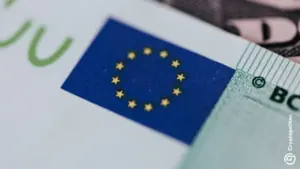
Taiwan and the European Union are also eligible for the 10% rate, but it is imposed after subtracting the regular most-favored-nation duty on each commodity; thus, additional tariffs on EU goods do not add to current customs fees as they do for the majority of other trading partners.
Additionally, the EU was given special exclusions for diamonds, cork, generic medications, active chemicals, and aircraft parts.
A European Commission representative welcomed the news with caution, stressing that the outcome was consistent with pledges made in a trade pact struck at Trump’s Turnberry property in Scotland.
European producers currently enjoy a huge advantage over competitors from the majority of the world’s regions.
Brazil is in an even more severe condition.
Brazil, China, Vietnam, and Russia were among the 38 economies that fell inside the 12.5% range. The new duty adds to China and Brazil’s existing Section 301 tariff burden.
A separate 25% Section 301 duty was previously imposed on Brazil due to what the administration claimed were unfair trade practices.
Tensions surrounding legal procedures involving former Brazilian President Jair Bolsonaro have also been linked to the targeting of Brazil.
The repercussions can be widespread. Brazil is a significant supplier of cattle to the United States and the world’s largest exporter of coffee.
The additional levels of tariffs run the danger of increasing supply chain expenses and driving up prices for American consumers.
Allies and legal experts push back
The affected nations replied rapidly.
Brazil called the tariffs “arbitrary” and “unjustified,” stating that Washington had “manipulated an issue of great importance to human rights” to advance its protectionist goals.
Brasília plans to pursue a case with the World Trade Organization under the Reciprocity Law.
Brazil’s president, Luiz Inácio Lula da Silva, has declared that, while his country is open to negotiations, it would also seek other markets.
Australia said it will fight to get the charges repealed, calling them unreasonable.
Norway’s foreign minister indicated that the latest claims were without merit.
Canada claimed that it “should not be targeted,” citing its history of opposing forced labor imports and questioning why it was being targeted as prior tariffs expired.
Legal experts also expressed concerns over the move.
According to Alan Wolff, a senior fellow at the Peterson Institute for International Economics and former deputy director-general of the World Trade Organization, the new tariffs raise the question of whether the president has the legal authority to determine and implement US tariff policy, which Congress has under the US Constitution.
As global supply chains brace for the fallout, the administration now faces a multi-front battle in foreign capitals, international tribunals, and domestic courts alike.
With legal challenges mounting and trade partners mobilizing, Washington’s latest trade maneuver may ultimately be decided in the courtroom rather than the global market.
The smartest crypto minds already read our newsletter. Want in? Join them.
Disclaimer. The information provided is not trading advice. Cryptopolitan.com holds no liability for any investments made based on the information provided on this page. We strongly recommend independent research and/or consultation with a qualified professional before making any investment decisions.

Hania Humayun
Hania joined Cryptopolitan with a long history of analyzing finance, economic trends, and prediction markets. She covered topics in emerging technology, AI, and fintech. Hania’s experiences as a licensed architect have added verve and precision to newswriting. She graduated from the National College of Arts in Lahore with an Architecture degree,