






White House crypto adviser blasts Senate Democrats as CLARITY Act hits September deadline

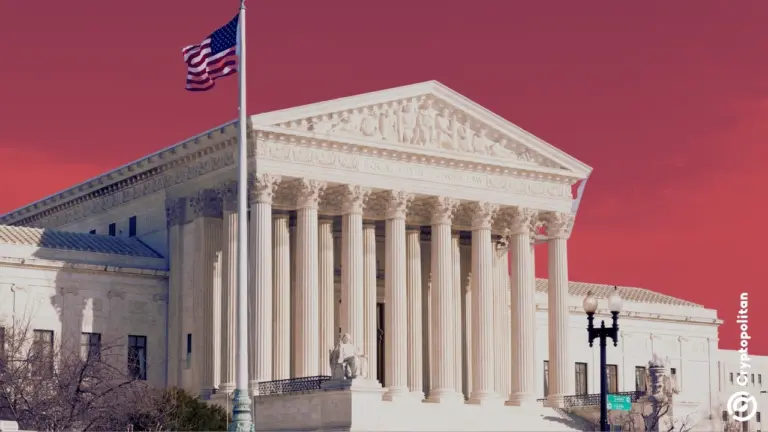
- Patrick Witt blamed Democrats for delaying the CLARITY Act’s progress.
- Thune filed a motion to start the cloture process for the bill.
- The bill will need about 60 votes to pass.
White House crypto adviser Patrick Witt called out Democrats for stalling the CLARITY Act’s progress. On X, he accused them of orchestrating a total blockade against a minor procedural vote on the bill prior to the August recess.
He contended, “Chuck Schumer and the “pro-crypto Democrats” pulled out all the stops to block a mere procedural vote on the bill before recess, demanding yet another extension.”
His remarks come after a lengthy overnight voting session where the bill missed its pre-summer vote, leaving it with low chances of passing in September. This Saturday, nonetheless, Republican John Thune, filed a motion to schedule a critical procedural vote on the Clarity Act immediately following the August recess. With the bill’s precarious position, the legislative action was necessary to keep its 2026 passage prospects alive.
Thune wrote in his filing, “We, the undersigned senators … hereby move to bring to a close debate on the motion to proceed to calendar number 423, [House Resolution] 3633, an act to provide for a system of regulation of the offer and sale of digital commodities by the Securities and Exchange Commission and the Commodity Futures Trading Commission.”
Witt says that if Senate cannot vote on the bill in September, it probably never will
In his X post, Witt acknowledged the multi-year effort by Congress to establish a crypto framework, highlighting that the Senate has been intensely negotiating the Clarity Act since last summer.
However, he noted that if Senators can’t vote on the bill by September 15, they would likely permanently stall the bill’s chances. Just last month, Galaxy Research dropped the bill’s chances of passing in 2026 from 50% to 30%, given how close they were to the August break with little progress.
Like Witt, Thune had earlier blamed Democrats for the bill’s delay. Though even at the time, he insisted the CLARITY Act would be their first priority after the recess. Now that his motion has been filed, the legislation is in line for the Senate’s cloture process, which entails several procedural steps and waiting periods before a final vote.
September vote could determine the bill’s fate
The September window is becoming increasingly important for the crypto industry, as another delay could push the CLARITY Act into an even more uncertain political environment.
The legislation is intended to clarify the jurisdictional boundaries between the Securities and Exchange Commission and the Commodity Futures Trading Commission, addressing a long-standing source of uncertainty for digital asset companies operating in the US.
A failure to advance the bill could also leave crypto firms waiting longer for a comprehensive market-structure framework, particularly as lawmakers turn their attention toward the November midterm elections. The limited September legislative calendar, therefore, puts additional pressure on both parties to resolve their remaining disagreements and secure enough support for a floor vote.
For the bill’s supporters, the next few weeks will be crucial. Republicans will need to maintain unity while persuading enough Democrats to support the legislation, while Democrats face pressure to secure changes to provisions they consider problematic before allowing the bill to advance.
The bill will have to compete for Senate floor time with other bills in September, the chamber’s last period of business before the midterm elections take center stage. Even so, because Thune started the process, the Senate can vote almost immediately upon their return, potentially clearing that first major hurdle on their second day back in September. Besides, senators need only a few days within the three-week September session to complete the voting process. Formally, the Senate will resume sessions on September 14.
The CLARITY Act needs 60 votes to pass
Lawmakers are still split on several contentious issues, specifically, the fine print on dealing with financial crime, the fight over stablecoin rewards, and government ethics guidelines. In July, Senators Gallego and Tillis proposed an ethics compromise that would give state attorneys general the power to enforce a ban on public officials and their spouses from launching or sponsoring digital assets. The compromise also includes a provision requiring President Trump to sell his stakes in crypto-related businesses, but he has yet to sign off on the plan.
The bill would need roughly 60 votes to pass. With 53 Republicans, they would need at least 7 votes from Democrats or independents if the entire GOP caucus supports it. Nonetheless, Crypto Council for Innovation CEO Ji Hun Kim posted on X that they plan to lobby both Republicans and Democrats over the August break to lock in the votes needed for September.
The smartest crypto minds already read our newsletter. Want in? Join them.
FAQs
What is the CLARITY Act?
The CLARITY Act is a proposed US crypto market-structure bill designed to establish clearer rules for digital assets and define the regulatory roles of the SEC and CFTC.
Why was the CLARITY Act delayed?
The Senate failed to advance the bill before the August recess amid disagreements between Republicans and Democrats over issues including financial-crime provisions, stablecoin rewards, and government ethics rules.
When could the Senate vote on the CLARITY Act?
The Senate is expected to resume sessions on September 14, with Republican Senator John Thune seeking to move the bill forward immediately after the August recess.
Disclaimer. The information provided is not trading advice. Cryptopolitan.com holds no liability for any investments made based on the information provided on this page. We strongly recommend independent research and/or consultation with a qualified professional before making any investment decisions.

Nellius Irene
Nellius is a Business Management and IT graduate with five years of experience in the cryptocurrency industry. She is also a graduate of Bitcoin Dada. Nellius has contributed to leading media publications, including BanklessTimes, Cryptobasic, and Riseup Media.









