






- Elon Musk said Tesla will wind down Cybertruck production at its Texas factory around mid-2027 to make room for more Cybercab robotaxis.
- The pickup never neared its 250,000-unit annual target, with sales falling to a record-low 3,519 in the first quarter of 2026.
- The retreat signals Musk’s shift of focus and factory space toward robotaxis, AI and the Optimus robot.
Elon Musk announced on X that Tesla would start cutting Cybertruck production at its Texas factory around the middle of next year to make room for more Cybercabs.
Musk did not say when Tesla would stop making the Cybertruck or whether production would move to another factory. The decision is described as “a slow goodbye,” as production is expected to continue until around mid-2027.
Tesla will be winding down production of the Cybertruck at Gigafactory Texas around the middle of next year to make room for increased Cybercab production
— Elon Musk (@elonmusk) November 6, 2026
Sales gap behind decision
Tesla does not share Cybertruck sales figures separately. Instead, it groups the truck with other vehicles under its “Other Models” category, so sales figures come from outside estimates.
Musk once expected Tesla to sell 250,000 to 500,000 Cybertrucks a year, according to figures cited by Forbes and Bloomberg. However, the sales have been much lower.
Cybertruck sales also fell in the third quarter. Electrek estimated that Tesla delivered 8,295 vehicles under its “Other Models” category, down from 15,933 in the same period last year. Of those, about 7,000 to 8,000 were likely to be Cybertrucks. The Guardian reported a similar total of around 8,300, while Tesla delivered 478,000 Model 3 and Model Y vehicles during the quarter.
Musk had warned about the risks as early as a 2023 earnings call, where he claimed Tesla had “dug our own grave with Cybertruck.” Deliveries began in late 2023, but the truck failed to meet European safety standards.
Texas factory’s focus changes
Tesla is now putting more focus on self-driving vehicles. Its two-seat Cybercab, which has no steering wheel, joined the Robotaxi fleet in Austin on September 3, 2026. The company has also started charging for rides in some parts of the city.
Vehicle engineering chief Lars Moravy said the company had started building Cybercabs at its Texas factory in its October earnings call. The first ones will be added to Tesla’s own Robotaxi fleet.
CFO Vaibhav Taneja also said customers visiting Tesla showrooms were asking more about Full Self-Driving (FSD) test drives than about the Model 3, Model Y or Cybertruck.
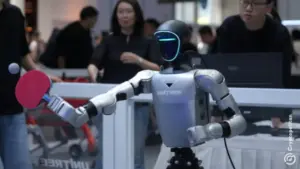
Tesla spent $2.76 billion on research and development in the third quarter, compared with $1.63 billion a year earlier. The Texas factory is also expected to build the company’s Optimus humanoid robot. This shows Musk is putting more focus on robots, AI and self-driving cars instead of regularly releasing new car models. Tesla also stopped making the Model S and Model X earlier this year.
Rough week for the world’s richest
The announcement has come at a difficult time for Musk. Republican candidates he donated $446 million to in support had lost in the US midterm elections. His fortune had also fallen by about $113 billion according to The Guardian. This was due to investors being worried that a Democrat-led Congress could slow the AI boom.
Tesla shares also fell about 11% on Thursday as tech stocks dipped. SpaceX shares also lost 9%. Tesla shares later rose nearly 2% in Friday premarket trading to around $350, according to 24/7 Wall St.
The smartest crypto minds already read our newsletter. Want in? Join them.

Opeyemi Olanrewaju
Opeyemi specializes in creating and refining high-quality content focused on cryptocurrency, global financial markets and the economy. He graduated from the University of Ibadan with an MBBS degree. He has worked as Editor-in-Chief for his College’s editorial publication and previously at CFA. For over six years, he has helped safeguard uniqueness as news editor at Cryptopolitan.









