





- Google’s privacy policy, effective October 16, lets Gmail, Drive, and Google Photos content personalize ads.
- The ad use applies only when users connect those apps to Personal Intelligence in AI Mode or Gemini.
- Data saved in Search Services History can remain after a user disconnects the apps.
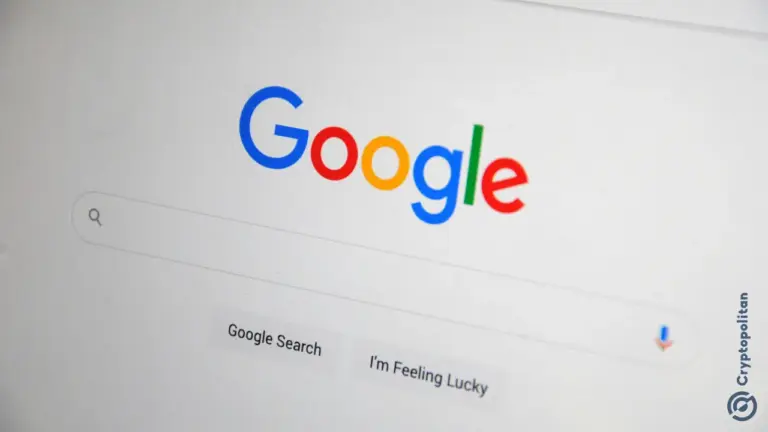
Google has updated its privacy policy so that content in Gmail, Google Drive, and Google Photos can now affect the ads it serves.
The opening is only for users linking those apps to the company’s AI tools. The new language took effect Oct. 16.
An October 16 clause ends the flat Drive and Photos pledge
Inbox, cloud files, and picture libraries are not things that Google would use to personalize ads. The company has said this for years. Now there is a catch to the promise. On October 23, the change was seen for the first time.
“We don’t show you personalized ads based on your content from Drive, Gmail, or Google Photos, unless you choose to make data from these services available to other Google services that support personalized ads,” the policy says. But the October 1 version, which took effect two weeks earlier, ended that sentence at Photos without exception.
A ban on ads built from sensitive categories like race, religion, sexual orientation or health is unaltered.
Ads can now also use “personalized content from Google services,” whereas the text of Oct. 1 cited only interests and activity across Google services.

The switch is Personal Intelligence. The feature allows AI Mode in Search and Gemini to use a user’s connected apps to customize answers.
Connected to Gmail, Search can turn up a hotel booking and recommend nearby restaurants. The new language also allows that same linked data to drive the ads a person views.
Search Services History can keep data after apps disconnect
Google says it has set limits. By default, Gmail, Drive and Photos content isn’t used to target ads, and advertisers never see what’s inside those accounts.
The company said it doesn’t share names, email addresses, or other identifying information with advertisers without permission.
Users can opt out in Data & privacy in the Google Account. From Personalization & activity, Personalization settings lead to Manage Personalized Recommendations in Search Services.
Users can disconnect Google Workspace and Google Photos from the Connected Content apps menu in the Additional Personal Intelligence section there. Users can also turn off Personalized Recommendations entirely.
Disconnecting doesn’t always get rid of what Google already has, though. The information in Search Services History can stay there even if an app is disconnected or the original email or picture is deleted.
Google already permits advertisers to embed products in AI Mode answers, with Direct Offers attaching discounts to them.
Cryptopolitan says that Gemini released Personal Intelligence in January as an optional tool for paid AI Pro and Ultra subscribers. Google had been criticized in November 2025 over claims that Gmail fed Gemini by default through Smart Features. By February, Google was testing Personal Intelligence for free users in AI Mode Search.
If you're reading this, you’re already ahead. Stay there with our newsletter.
FAQs
When did the policy change take effect?
The revised privacy policy took effect October 16, 2026.
Does Google now scan Gmail and Photos to sell ads?
No. Gmail, Drive and Photos content stays out of ad targeting by default and only feeds ads once a user connects those apps to Personal Intelligence.
How can users opt out?
Users can disconnect Google Workspace and Google Photos under Connected Content apps in their Google Account's Data & privacy settings.
Disclaimer. The information provided is not trading advice. Cryptopolitan.com holds no liability for any investments made based on the information provided on this page. We strongly recommend independent research and/or consultation with a qualified professional before making any investment decisions.

Randa Moses
Randa Moses is an editor and reporter at Cryptopolitan covering tech, AI, robotics, crypto, scams, and hacks. She has worked in the crypto space since 2017. She held roles at Forward Protocol, AmaZix, and Cryptosomniac. Randa holds a degree in Electrical and Electronics Engineering from the University of Bradford.









